Let it Bee
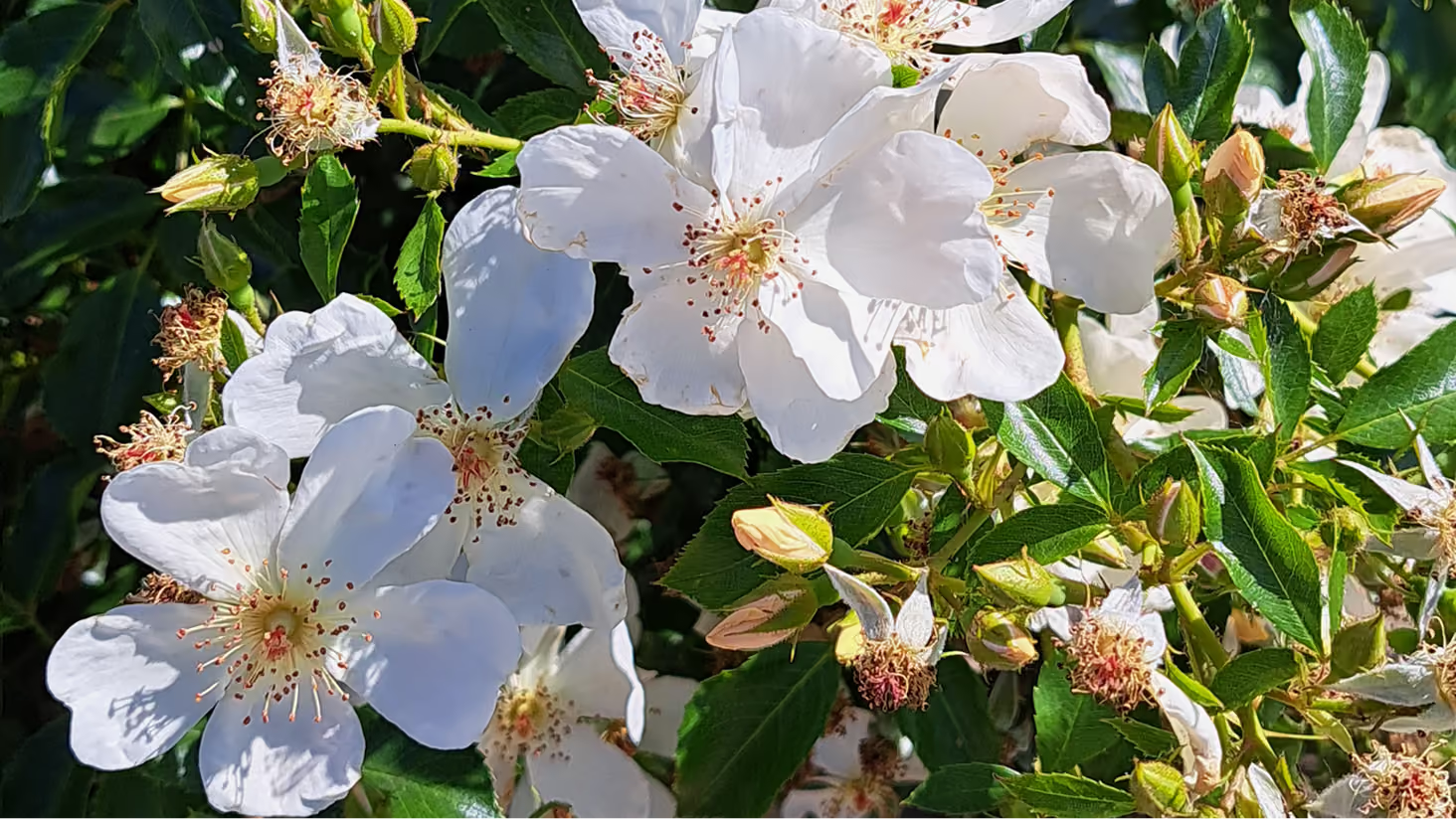
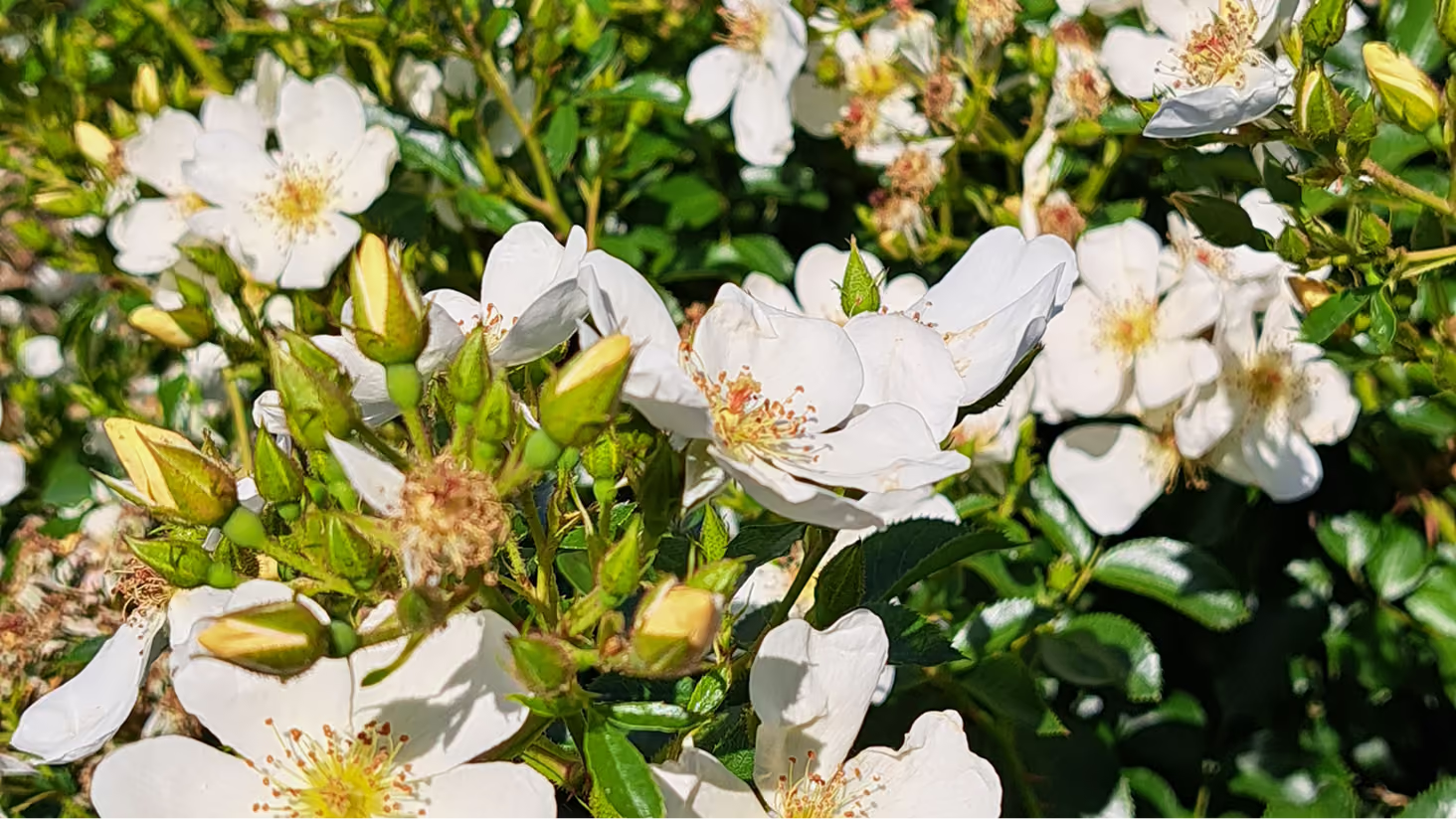
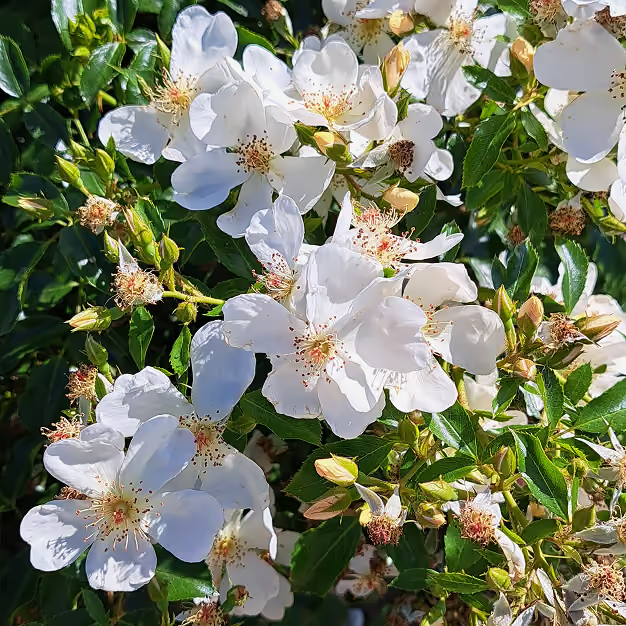
The rose 'Let it Bee' embodies the pure elegance of a botanical rose. It is a robust shrub or park rose that brings playful and colorful volume to the garden or park, whether planted individually or in groups. Thanks to its excellent disease resistance and glossy dark green foliage, it ranks among the top shrub roses. The plant blooms profusely and almost continuously. Flowering starts early in the season, providing a valuable food source for bees and other pollinators. The simple flowers change color from yellow to white and feature a striking dark yellow-orange center. They grow in open, slightly fanning clusters, giving the plant a natural, airy appearance. The prominent stamens provide plenty of pollen for industrious bees. Furthermore, the flowers emit a subtle fragrance. The plant produces numerous flower stalks, with new buds constantly emerging above the already blooming flowers. In this way, 'Let it Bee' continues to bloom throughout the summer, well into autumn, when decorative red rose hips appear at the first frost. Let it Bee is a versatile and striking rose with a charming, almost wild elegance, a real winner in any garden or public green space!
Plant height 70 – 120 cm
General info
The Bestselect roses provide a beautiful, strong bloom in your garden, without you having to worry about attacks, aphids or diseases. These varieties are selected for their resistance and therefore only provide you with the advantage of beautiful garden roses.
Nominations
Let it Bee was christened on June 13, 2026, on the occasion of the first rose festival at Meise Botanical Garden.
- 2023 Le Roeulx (Be) - Gold medal
- 2024 Baden-Baden (De) - Bronze medal
Maintenance
Roses love the sun, so choose a spot for your roses where they receive at least a few hours of summer sun. Roses grow well in nutritious soil. You can give your roses organic fertilizer in the spring and summer. Roses do not have a problem with dry periods; extra water is usually not necessary. Plant the roses 40-50 cm apart from each other or from other plants. When planting, the point where the branches transition into roots should be just below the surface of the soil. Press the plants firmly into the soil and water them upon planting. You will get beautiful flowering roses by pruning in the winter. Prune in February-March, but not when it is freezing. When pruning, remove thin and dead branches, leaving only a few strong young branches and cutting them back to a length of ±25 cm. In the summer, you can encourage a second bloom by cutting off the spent flowers. Cut back to 25 cm – longer is also acceptable for a taller shrub, e.g., 40-50 cm.